Choosing the Best Concrete Patio Finish Options

Selecting the appropriate finish for a concrete patio is a critical decision that affects both the aesthetic appeal and functional durability of the outdoor space. Concrete patios must withstand weather conditions, foot traffic, and occasional furniture movement while maintaining their visual integrity. This article provides a detailed examination of concrete patio finish options, emphasizing technical considerations and practical recommendations to ensure a long-lasting, visually pleasing result.
Understanding Concrete Patio Finish Options
Concrete patio finishes vary widely in texture, appearance, and performance characteristics. The choice depends on factors such as slip resistance, maintenance requirements, climate conditions, and design preferences. A well-chosen finish enhances the patio’s usability and complements the surrounding landscape or architectural style.
Common finishes include broom, stamped, exposed aggregate, troweled, brushed, and acid-stained surfaces. Each finish offers distinct advantages and limitations. For example, broom finishes provide excellent traction, making them suitable for wet environments, while stamped finishes mimic natural stone or brick, adding decorative appeal.
When selecting a finish, consider the concrete mix design, curing process, and application techniques. Proper execution ensures the finish adheres well and maintains its integrity over time. Additionally, sealing the surface can protect against stains, moisture penetration, and freeze-thaw damage, extending the patio’s lifespan.

What are the 6 types of concrete finishes?
Concrete finishes can be categorized into six primary types, each with unique characteristics and applications:
Broom Finish
This finish is created by dragging a broom across the surface of freshly poured concrete. It produces a textured, non-slip surface ideal for patios, walkways, and pool decks. The broom finish is cost-effective and straightforward to apply.
Stamped Concrete
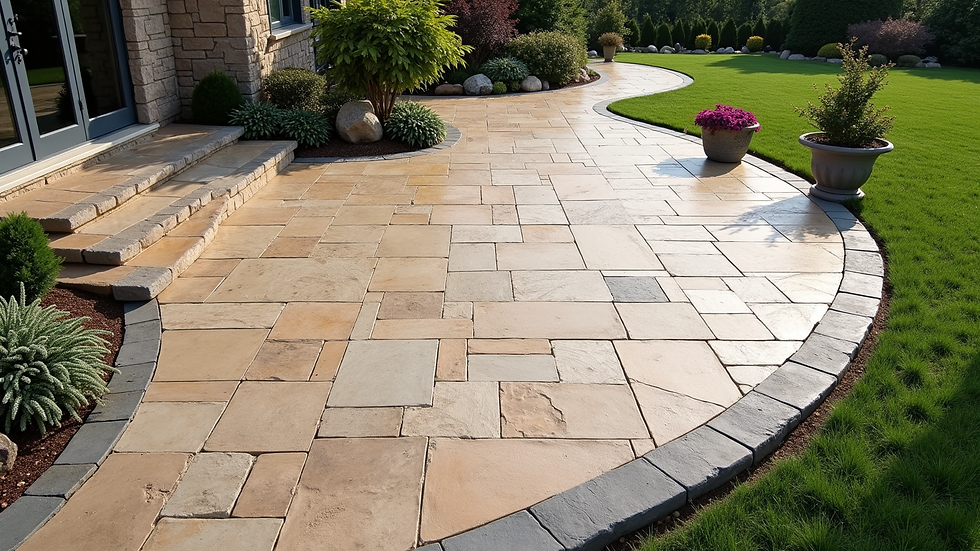
Stamped concrete involves imprinting patterns onto the surface before it fully cures. It can replicate the appearance of natural stone, brick, or tile. This finish is popular for decorative patios but requires skilled labor and proper maintenance.
Exposed Aggregate
This finish exposes the small stones or aggregates within the concrete by washing away the top cement layer. It provides a rough texture with excellent traction and a natural aesthetic. Exposed aggregate is durable and resistant to wear.
Troweled Finish
A smooth, dense surface is achieved by using a steel trowel after the concrete has partially set. This finish is sleek and modern but can be slippery when wet unless treated with a non-slip additive.
Brushed Finish
Similar to the broom finish but with finer texture, the brushed finish is created by brushing the surface with a soft bristle brush. It offers moderate slip resistance and a subtle appearance.
Acid Stained Finish
Acid staining chemically reacts with the concrete to produce variegated, translucent colors. This finish enhances the visual appeal without adding texture, making it suitable for patios where a smooth surface is desired.
Each finish type requires specific preparation and curing conditions to achieve optimal results. Understanding these nuances is essential for selecting the best finish for your concrete patio.
Factors Influencing the Choice of Concrete Patio Finish
Several factors influence the selection of a concrete patio finish. These include:
Climate and Weather Exposure
In regions with frequent rain or snow, finishes with high slip resistance, such as broom or exposed aggregate, are preferable. Freeze-thaw cycles also necessitate finishes that resist cracking and surface degradation.
Intended Use and Foot Traffic
Patios subjected to heavy foot traffic or furniture movement require durable finishes that resist abrasion. Smooth finishes may show wear more quickly, while textured finishes distribute wear more evenly.
Maintenance Requirements
Some finishes demand regular sealing and cleaning to maintain appearance and performance. Acid-stained and stamped finishes often require periodic resealing, whereas broom finishes are low maintenance.
Aesthetic Preferences
The finish should complement the architectural style of the property and the surrounding landscape. Decorative finishes like stamped or acid-stained concrete offer customization options for color and pattern.
Budget Constraints
Cost varies significantly among finishes. Broom and brushed finishes are economical, while stamped and acid-stained finishes involve higher labor and material costs.
Evaluating these factors in conjunction with professional advice ensures the selection of a finish that balances functionality, durability, and visual appeal.
Practical Recommendations for Applying Concrete Patio Finishes
Proper application techniques are vital to achieving the desired finish quality. The following recommendations enhance the outcome:
Timing of Finish Application
Apply the finish at the correct stage of concrete setting. For example, broom finishes require the surface to be firm enough to hold texture but still plastic enough to allow broom marks.
Surface Preparation
Ensure the subgrade is well-compacted and the concrete mix is appropriate for the finish type. For exposed aggregate, use a mix with suitable aggregate size and composition.
Curing Process
Maintain adequate moisture and temperature conditions during curing to prevent cracking and surface defects. Use curing compounds or wet coverings as needed.
Sealing
Apply a compatible sealer after curing to protect the surface from stains, moisture, and UV damage. Select sealers based on the finish type and expected exposure conditions.
Professional Installation
Engage experienced contractors familiar with various finishes to ensure precise execution. Skilled workmanship reduces the risk of imperfections and enhances longevity.
Following these guidelines results in a concrete patio that meets performance expectations and aesthetic goals.
Enhancing Durability and Appearance Over Time
Concrete patios require ongoing care to preserve their finish and structural integrity. Implement the following maintenance practices:
Regular Cleaning
Remove dirt, debris, and organic matter to prevent surface staining and degradation. Use mild detergents and avoid harsh chemicals that can damage sealers.
Resealing
Reapply sealers every 2-3 years or as recommended by the manufacturer to maintain protection against moisture and wear.
Repairing Surface Damage
Address cracks, chips, or spalling promptly to prevent further deterioration. Use appropriate patching materials compatible with the original finish.
Avoiding Harsh Conditions
Minimize exposure to deicing salts and heavy machinery that can accelerate surface wear.
By adhering to these maintenance protocols, the concrete patio finish will retain its functional and aesthetic qualities for many years.
For detailed information on the types of concrete finishes for patios, consult specialized resources or local experts.
Final Considerations for Selecting a Concrete Patio Finish
Choosing the best concrete patio finish requires a balance of technical knowledge, practical considerations, and aesthetic judgment. The finish must align with environmental conditions, usage patterns, and design objectives. Proper application and maintenance are equally important to ensure the patio remains a durable and attractive outdoor feature.
Engaging qualified professionals with expertise in concrete and masonry services is advisable to achieve superior results. Their experience ensures that the selected finish is applied correctly and performs as intended, contributing to the long-term value and enjoyment of the property.
Investing time and resources in selecting and applying the appropriate concrete patio finish will yield a resilient, visually appealing outdoor space that withstands the test of time.


Comments